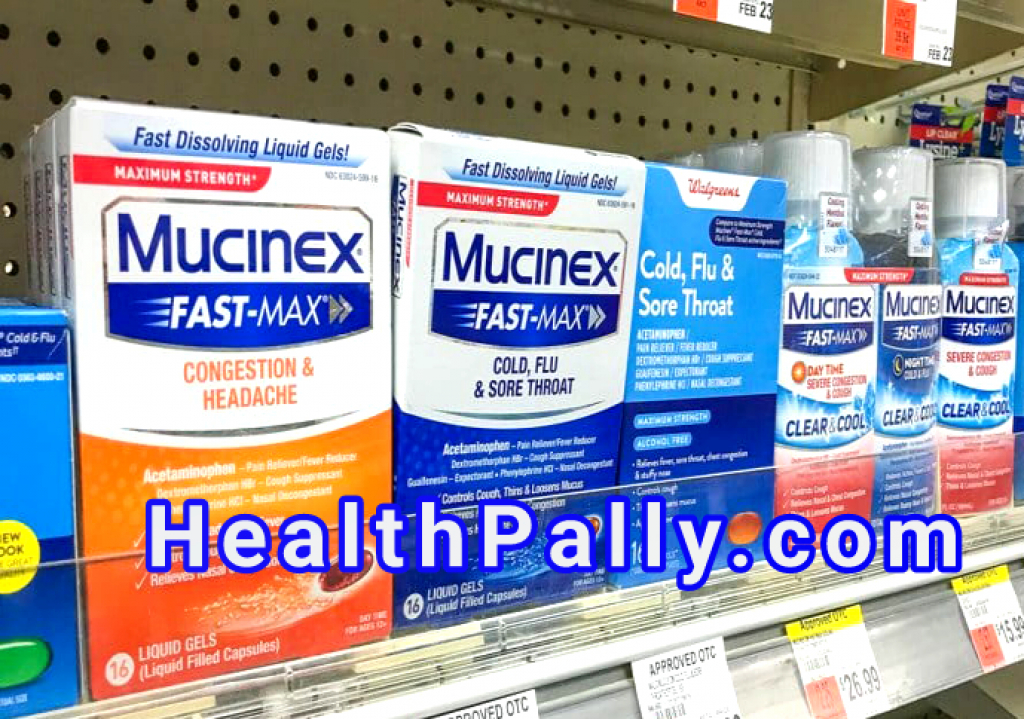
Mucinex is a popular over-the-counter (OTC) medication primarily used to treat symptoms related to colds, flu, and other respiratory conditions. It contains guaifenesin, an expectorant that helps loosen mucus in the airways, making it easier to cough up and clear nasal congestion.
Many people rely on Mucinex to alleviate symptoms such as a stuffy nose, cough, or chest congestion.
However, there is often confusion surrounding the safety of combining Mucinex with alcohol, especially during cold and flu season when many people might be dealing with both illness and social occasions.
In this article, we will answer the most frequently asked questions about using Mucinex with alcohol.
Can I use other medications with alcohol while taking Mucinex?
If you’re taking other medications in addition to Mucinex, it is important to consider how alcohol might affect these as well.
For instance, many cold or flu medications contain additional ingredients like acetaminophen (Tylenol), ibuprofen (Advil), or pseudoephedrine.
Alcohol should be avoided when taking acetaminophen, as combining the two can strain the liver and potentially lead to liver damage, Akin chaktty, medical expert at HealthPally.
Alcohol can also enhance the sedative effects of other medications, which could result in excessive drowsiness or dizziness.
Always consult with your doctor or pharmacist if you are unsure about mixing Mucinex with other medications or alcohol, chaktty said.
They are always in the best position to offer personalised advice based on your specific health conditions and medications.
What should I do if I’ve already mixed Mucinex with alcohol?
If you have already taken Mucinex and consumed alcohol, there’s no need to panic.
While it is not recommended to mix the two, most people will not experience severe reactions.
However, you should take steps to minimise potential side effects:
Stay hydrated: Since both alcohol and Mucinex can affect hydration, drink plenty of water to help your body process both substances.
Avoid further alcohol consumption: If you have already mixed Mucinex with alcohol, refrain from drinking more alcohol until the effects of the combination have worn off.
Rest: Give your body time to recover from both the illness and any side effects of alcohol or the medication.
Seek medical attention if necessary: If you experience severe side effects, such as difficulty breathing, swelling, or severe dizziness, contact your doctor or go to the emergency room immediately.
Is it safe to take Mucinex while drinking in moderation?
The key issue when it comes to taking Mucinex and drinking alcohol is moderation.
If you plan on drinking alcohol, it is recommended to either take Mucinex later or wait until the alcohol has left your system before taking the medication.
According to HealthPally, a moderate amount of alcohol is unlikely to cause severe interactions with Mucinex, but the combined effects of alcohol and the medication can still impair your functioning and potentially hinder your recovery.
It’s always better to err on the side of caution and avoid alcohol when you’re trying to recover from a cold or respiratory illness.
Conclusion
While there is no direct, severe interaction between Mucinex and alcohol, it is generally advisable to avoid drinking alcohol while using Mucinex.
Alcohol can amplify the side effects of Mucinex, such as drowsiness and dizziness, and may interfere with your body’s recovery process.
It can also contribute to dehydration and exacerbate cold or flu symptoms. If you’re using Mucinex to relieve congestion or other respiratory symptoms, it’s best to refrain from consuming alcohol to ensure the medication works effectively and you recover as quickly as possible.






Comments